
Seven days without electricity: How fragile our civilization is – and why we cannot rely on a blackout "not happening"
Electricity is so taken for granted today that most of us only think about it when it stops working. A power outage lasting just a few hours is enough to halt production, transportation, communication, and the normal operation of households. But what if it were not hours, but days? Or even an entire week?
Modern society is absolutely dependent on electrical energy. It is not just about light in a room. Electricity powers drinking water pumps, hospitals, mobile networks, banking systems, food logistics, and heating. Without it, a developed country can descend into chaos in a very short time.
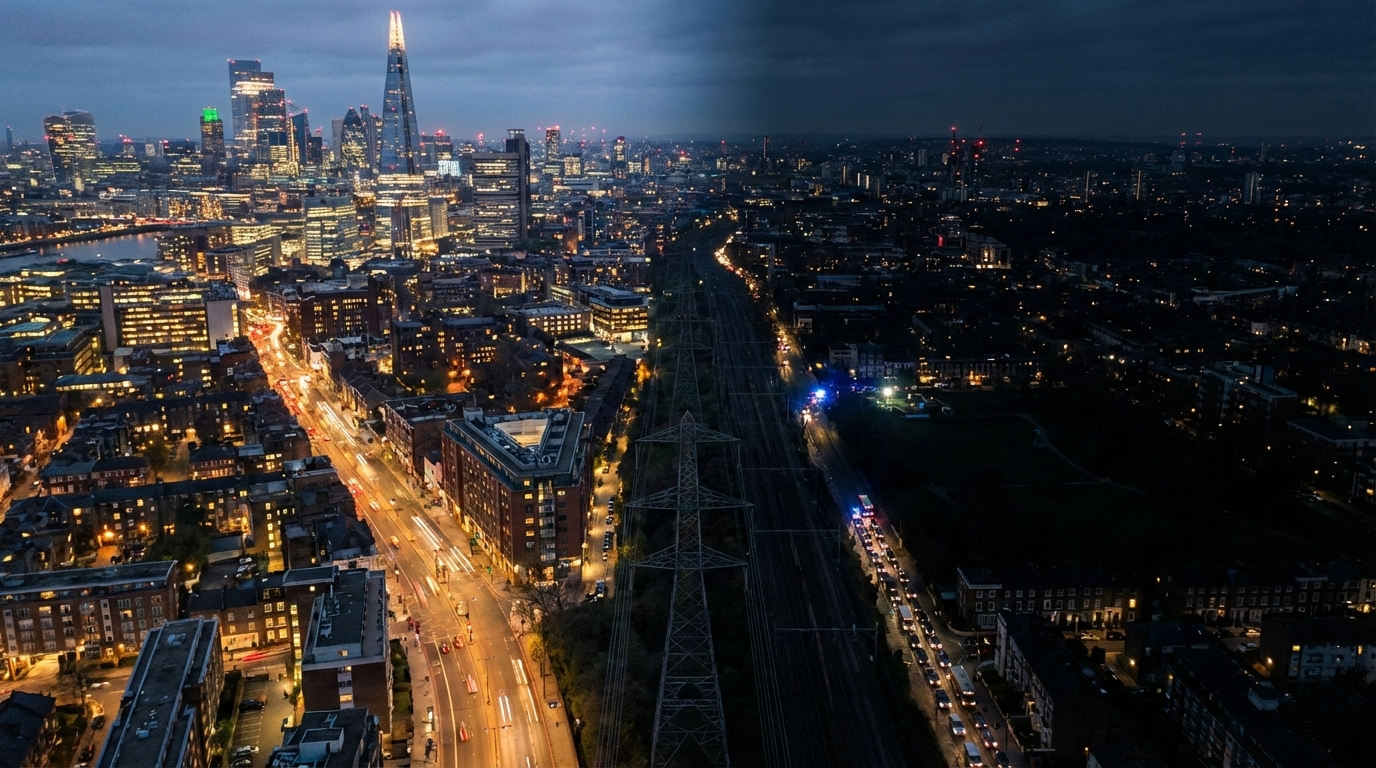
Blackout is not science fiction. It is a real risk
Large-scale power outages (blackouts) are not inventions of disaster movies. They can arise from a combination of several factors: technical failure, human error, extreme weather, grid overload, or even a solar storm that disrupts the Earth’s electromagnetic field. History knows cases where a serious outage was caused by an apparent detail – for example, a short circuit in a substation.
Energy grids in Europe, including the Czech Republic and Germany, are extremely interconnected. This is their advantage during normal operation, but also a weakness: a problem in one area can trigger a domino effect across entire regions.
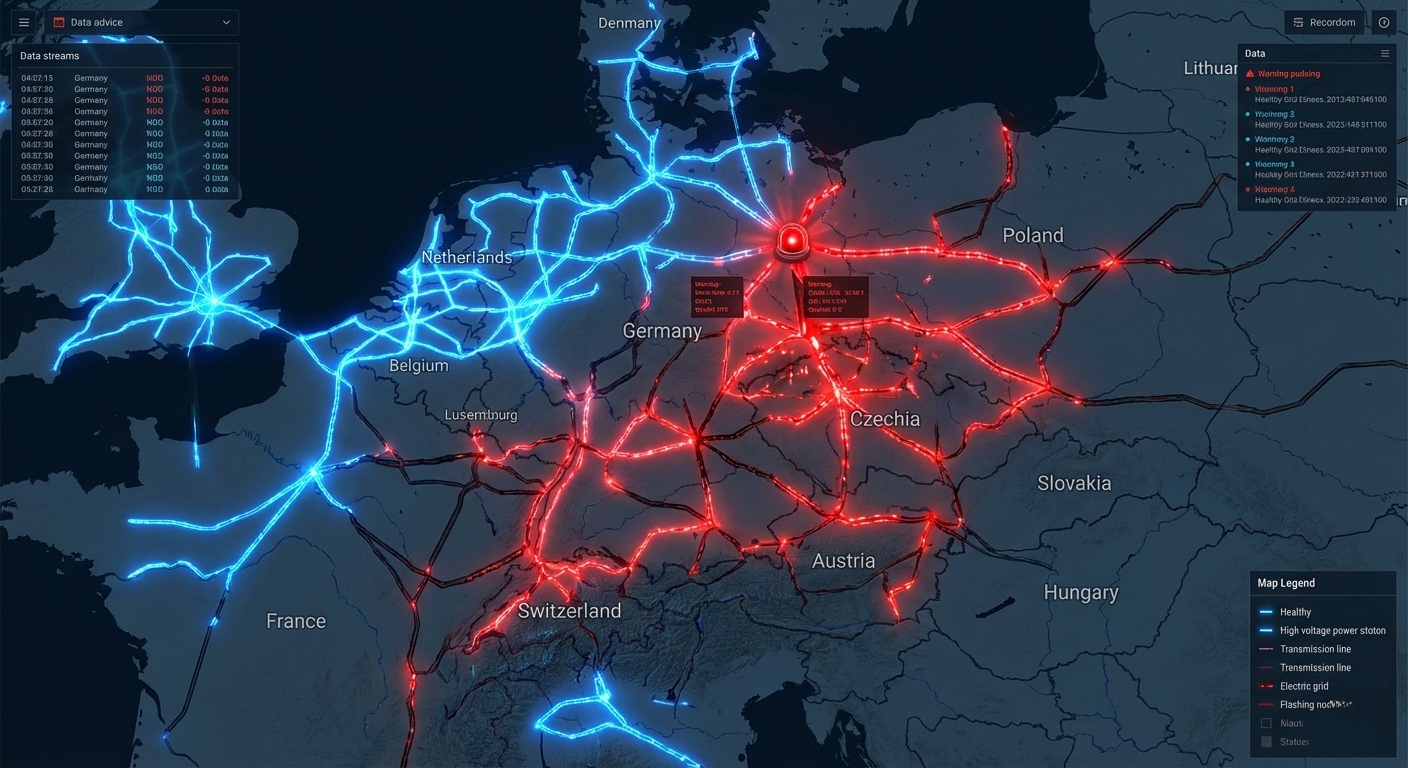
Timeline of collapse: What would happen if electricity were out for longer
Expert studies and crisis scenarios show that in the event of a large-scale blackout, the situation would develop very quickly:
The first hours
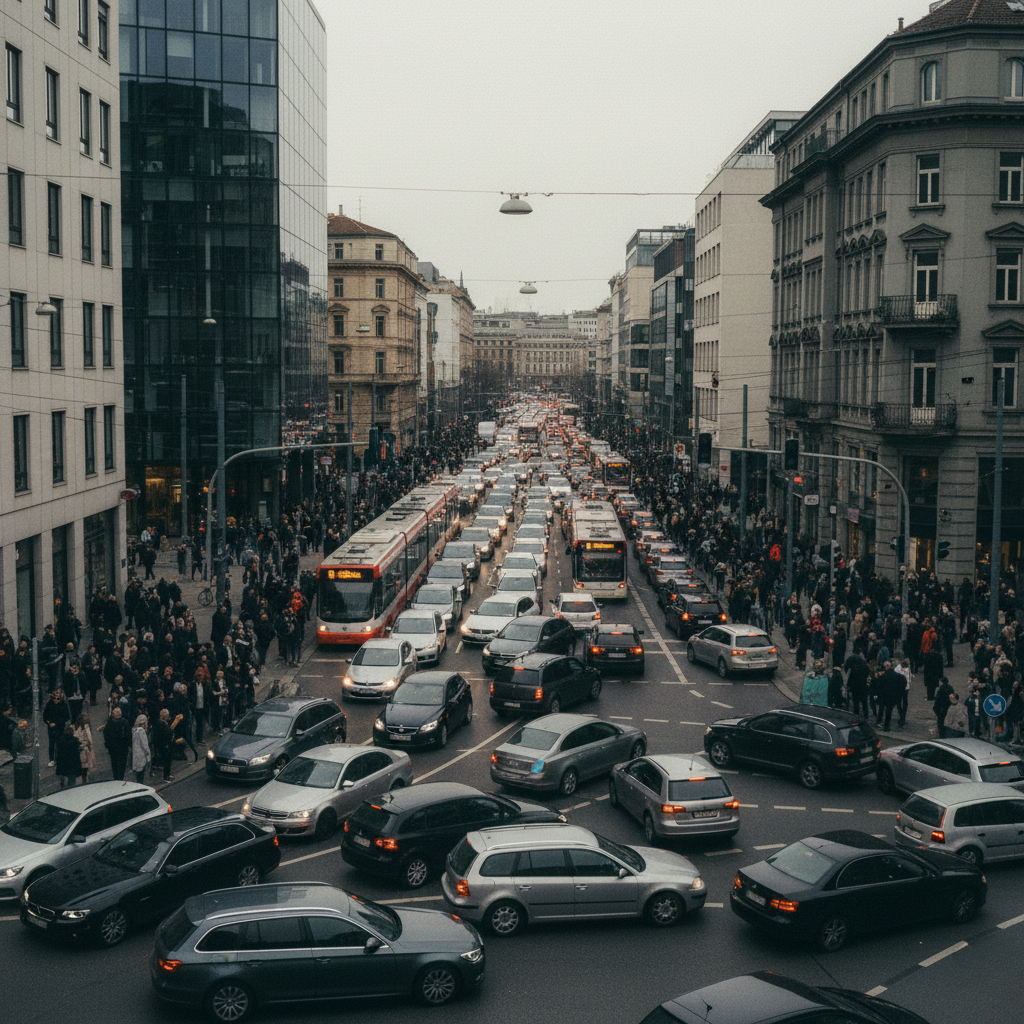
Public transportation stops, traffic lights stop working, people get stuck in elevators. Hospitals switch to backup diesel generators, shops close.
Within 24 hours
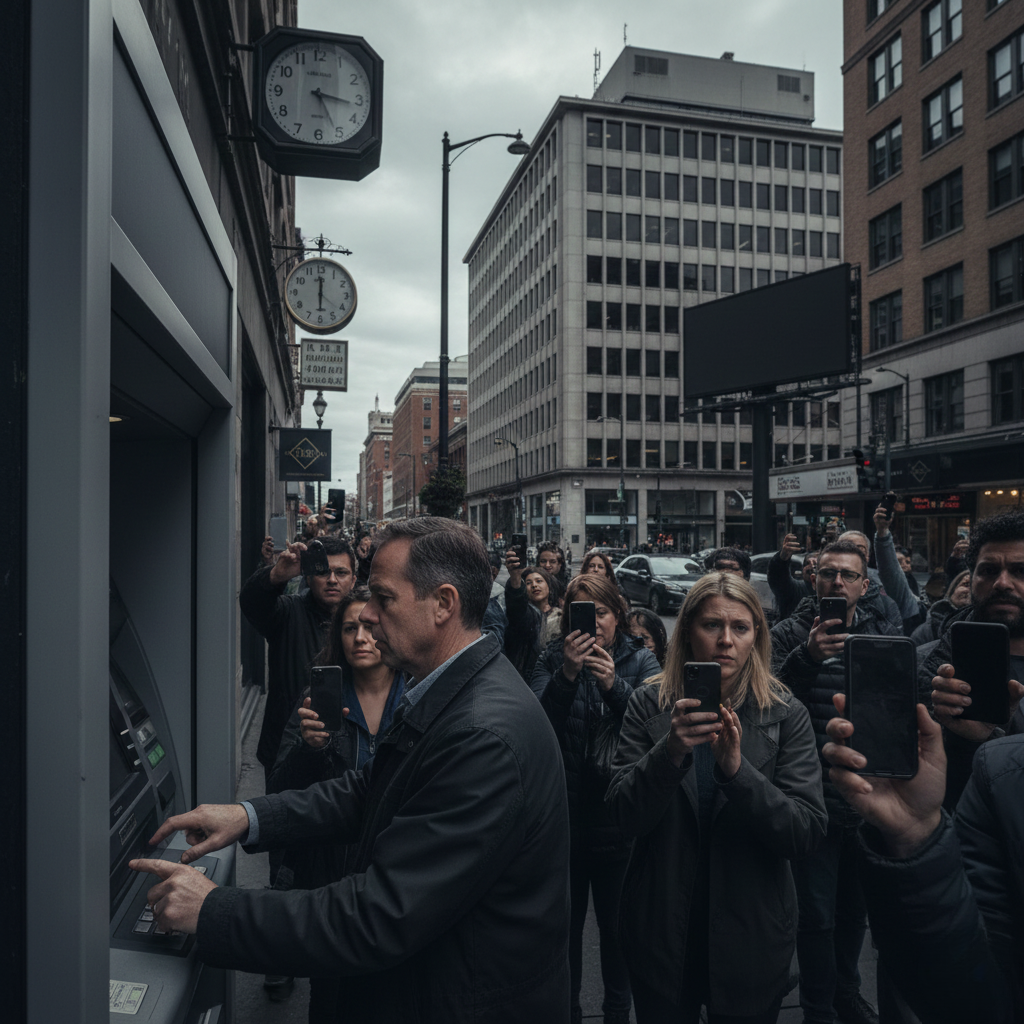
Mobile networks and the internet gradually collapse. Payment terminals stop working, ATMs are out of service. Information spreads only in a limited way.
Day 2–3
Water stops flowing – pumping stations and treatment plants do not operate without power. Food supplies in cities dwindle. Healthcare reaches the limits of its capacity.
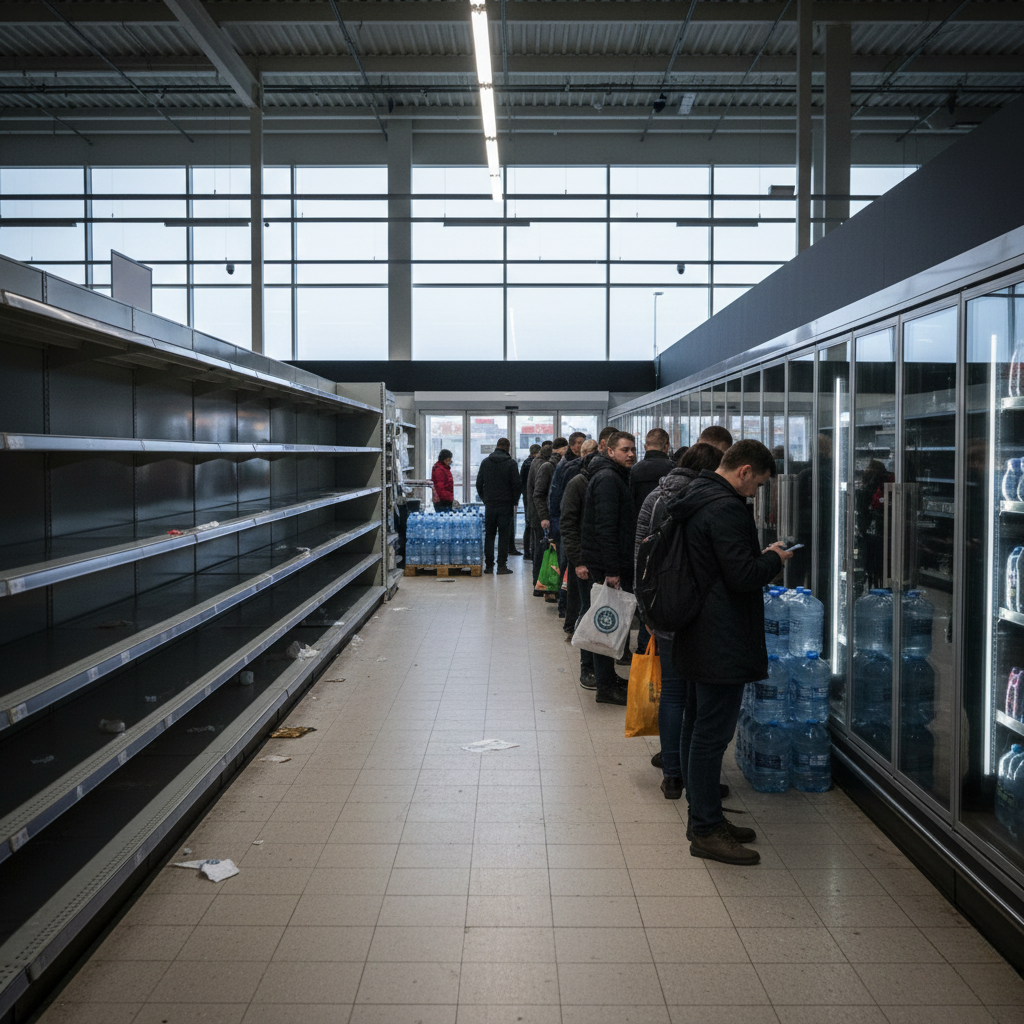
Day 4–7
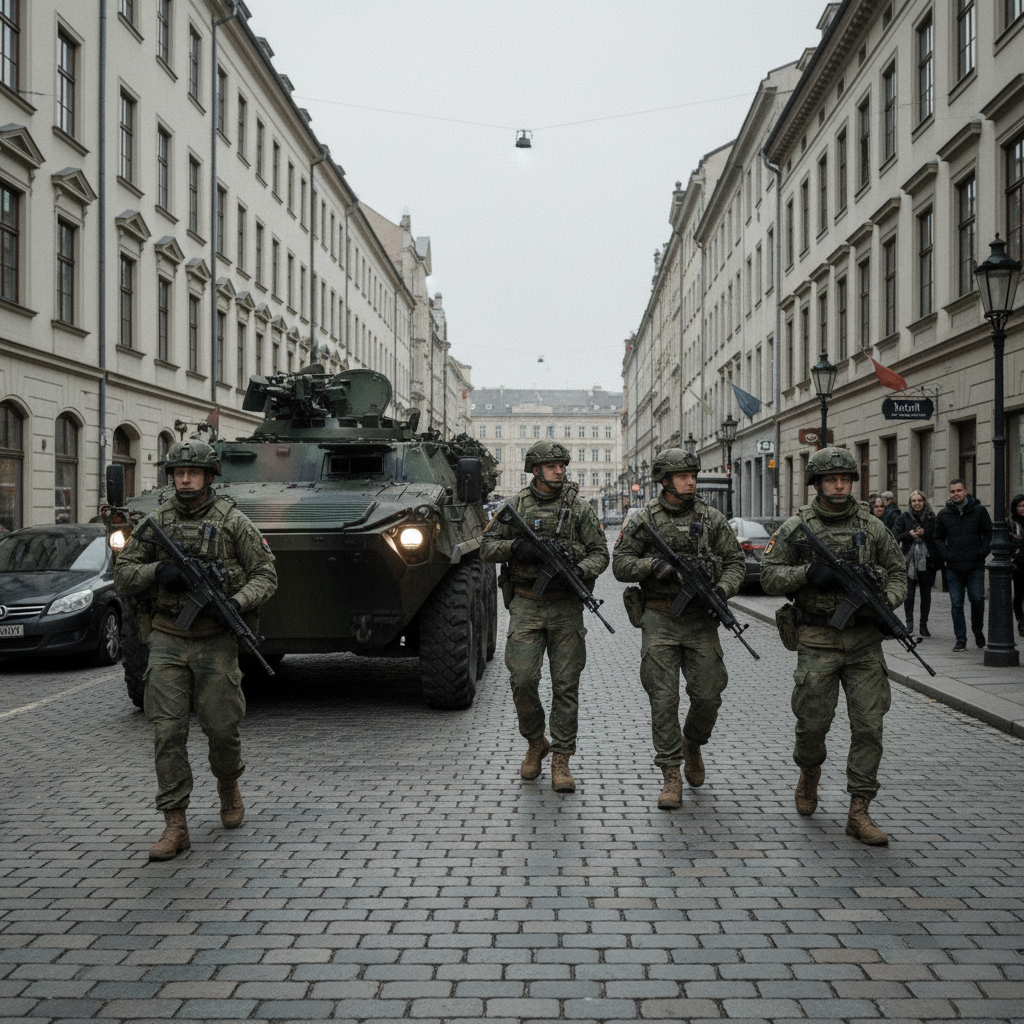
There is a serious disruption of public order. The state must deploy the army and crisis units. The situation is described as a national disaster. Within a single week, society is set back by decades.
Electricity as the nervous system of civilization
The energy grid can be compared to the nervous system of the human body. It works quickly, precisely, and continuously. But once a serious disruption occurs, the entire “body” of civilization becomes paralyzed – regardless of how advanced our technologies otherwise are.
That is why in recent years there has been increasing discussion about energy self-sufficiency, resilience, and backup power sources. Not as a luxury, but as a responsible standard.
Why have your own generator
A backup generator is not just a solution for crisis scenarios. It is insurance for continuity:
- for companies that cannot afford production downtime
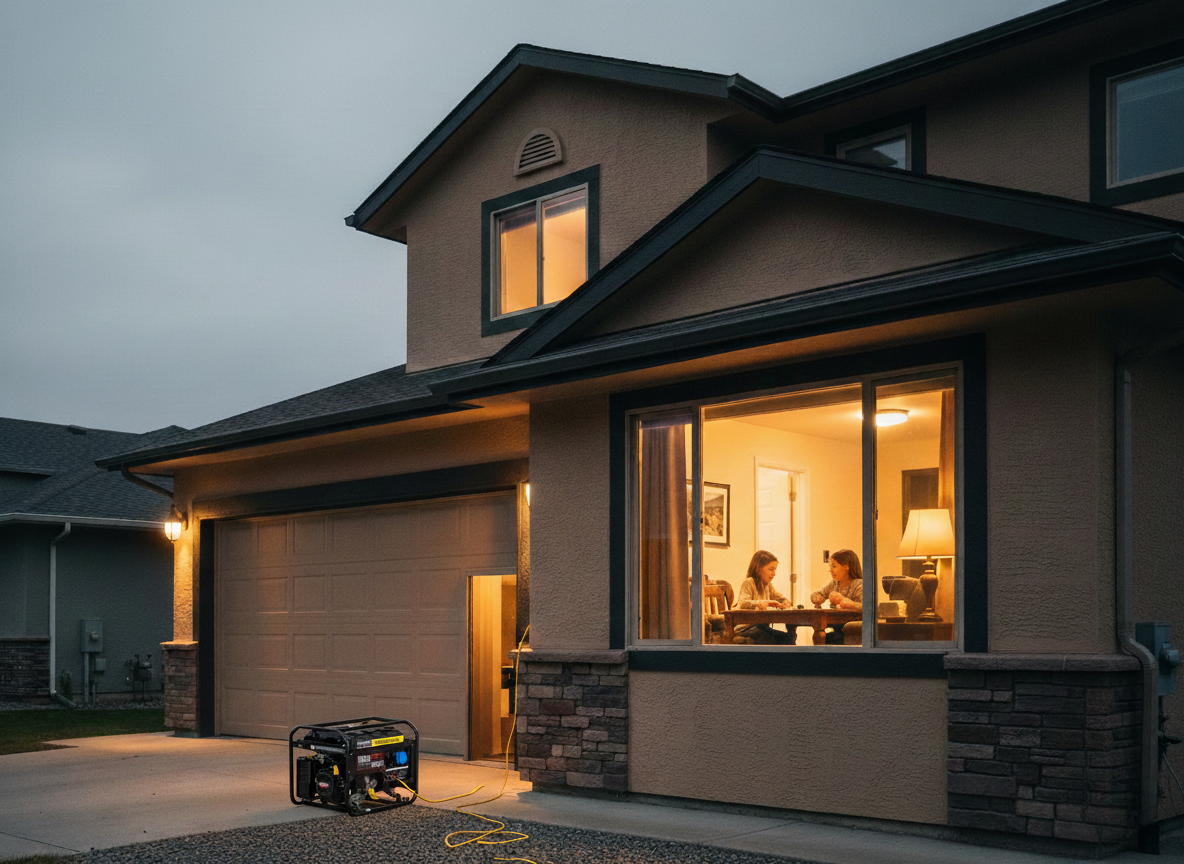
- for households that want to maintain basic comfort and safety
- for critical operations where an outage means a direct threat to health or property
Having your own energy source means independence, control, and peace of mind – even in situations where the surrounding infrastructure fails.
Preparedness is not panic. It is responsibility
No one claims that a large-scale blackout must happen tomorrow. But history and expert analyses show that it is not a question of “if”, but “when and how extensive.” Preparedness is not a sign of fear – it is a sign of reason and responsibility toward family, employees, and business.
Electricity is the foundation of the modern world. And those who have their own source have one crucial advantage in a crisis situation: time and control.