
Power generator for a caravan – which one to choose?
A generator is an excellent helper wherever you do not have access to electricity. Therefore, it is an ideal solution for caravans. It can power regular electrical appliances, lighting, or even charge your vehicle’s battery. A silent generator ensures that this operation is as quiet as possible. In this article, you will learn how to choose a quiet generator and what to look out for when selecting one.
Advantages and disadvantages of a generator in a caravan
The undeniable advantage of a portable generator is that it does not depend on any external energy source, only on the amount of fuel you carry with you. This is also the main difference between generators and solar panels – solar panels require sunlight to produce electricity and therefore depend on good weather. With a generator, this is not an issue — the electricity supply will be consistent regardless of the season. In addition, compared to other solutions, generators also deliver significantly higher power output.
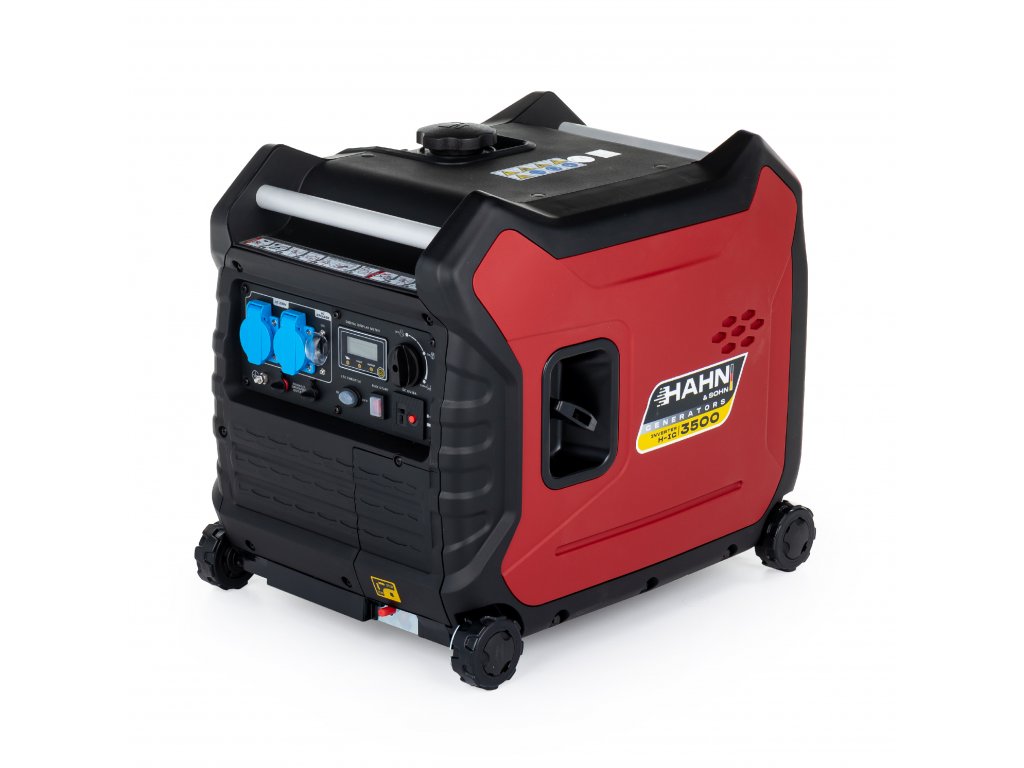
Another major advantage of generators is their affordability. Prices naturally vary depending on your specific requirements, but in general, generators are the cheapest way to produce your own electricity.
However, what is an advantage can also become a disadvantage. To operate a generator, you must carry fuel with you. Naturally, the more fuel you carry, the better, which means the generator and fuel will take up a considerable amount of space.
Generators also require your attention. You must operate them manually and cannot leave them running unattended, which can be limiting. Additionally, they can be quite loud, making it desirable to choose the quietest generator possible.
Another factor is that generators produce exhaust fumes — therefore, you cannot use them everywhere.
How to choose a generator for a motorhome or caravan?
Choosing the right generator is not too difficult. It is important to focus on three key factors, which we will now look at.
Generator output
To choose a generator with sufficient output, you first need to determine how many appliances it will power and how often and how long it will run.
The key is to know how much energy your appliances will consume when operating simultaneously.
How do you calculate electricity consumption? You will need to find out the power input of all appliances you plan to use. This number indicates how much energy each device needs to achieve its expected performance. These values must then be added together.
Once you have the total, you must increase it by at least 30%. This is because a generator should have at least one-third higher output than the total consumption of all connected appliances. Only then will it be able to power all devices at once.
Fuel
The most commonly used fuels for generators are diesel, gasoline, and gas.
Gasoline generators are less powerful than diesel ones, making them more suitable for short-term use. Diesel generators operate longer and are more fuel-efficient.
Gas generators run on CNG or LPG and offer a clear benefit — they are the most eco-friendly option. The most popular choice for camping are inverter generators, as they meet both power and noise-level requirements suitable for caravans.
Noise level
Caravans require quiet generators. Standard generators can produce noise levels between 60 and 100 dB.
How do you recognize a quiet generator for a caravan? It will certainly be equipped with a noise-reducing enclosure to ensure the quietest possible operation. Only a low-noise generator can provide the comfort you need.
Other ways to power a caravan
A generator is definitely not the only way to supply your caravan with electricity.
Solar panels are also popular — they can be installed on the caravan and produce electricity from sunlight. Their main advantage is eco-friendliness.
Another alternative is fuel cells, which work on the principle of cold combustion. This is an electrochemical process that produces electricity from fuel. These cells are quiet and environmentally friendly.