
How to choose a backup power source for your home
A family house where almost everything — from lighting to the heat pump — runs on electricity must have a backup power source. Especially in areas where bad weather often causes long outages, living without electricity is simply not possible. Before electricians can fix the problem, the food in your freezer may spoil in summer, and in winter, you could be left without heating.
Let’s take a look at how to choose the right backup power source for your home, what to consider, and how to connect it properly.
Backup Power for the Home – Why It’s Important
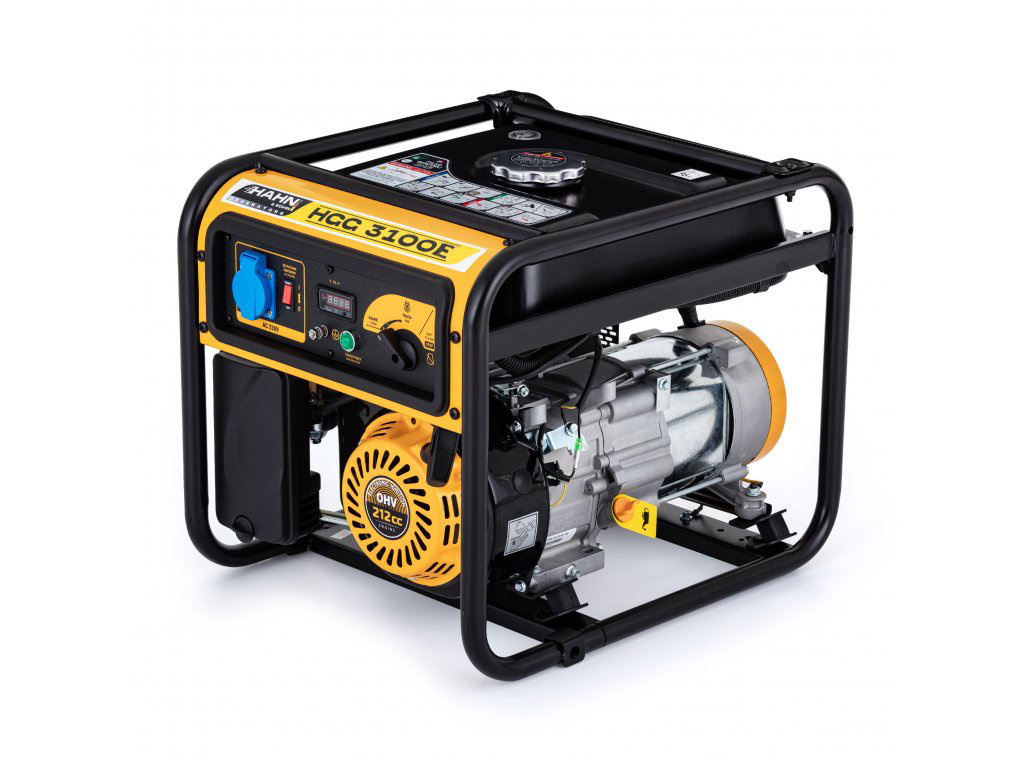
A backup power source should be part of every household that depends on electricity. If your home has an electric stove, an electric boiler for hot water, and electric heating, you should definitely consider getting a backup generator.
Even if you only use electricity for basic appliances and lighting, having one pays off. During long summer outages, food in your fridge and freezer can spoil, and if you work from home, you may lose valuable work time. Generators have also proven invaluable during floods, when power outages can last for several days.
Before buying, consider whether your generator will be used just to charge devices and keep the fridge running, or also to power heating and water systems — each appliance has different power requirements.
How to Choose the Right Generator
Type of Engine
You can choose between gasoline, diesel, or gas engines. For most homes, gasoline generators or gas-powered backup generators are the most practical options.
Gasoline generators have lower purchase and operating costs. A single-phase gasoline generator is suitable for all types of household appliances and ideal for occasional power outages. Gas generators tend to be quieter and more environmentally friendly.
What Will the Backup Power Source Supply?
As mentioned above, your generator choice depends on what it will power. This determines whether you need a single-phase or three-phase model and how many circuits it will handle.
For most homes, a single-phase generator is sufficient, as most household electronics run on this type of current. For sensitive electronics such as computers or smartphones, we recommend using inverter generators, which provide stable, clean power output.
Quiet Backup Generator for the Home
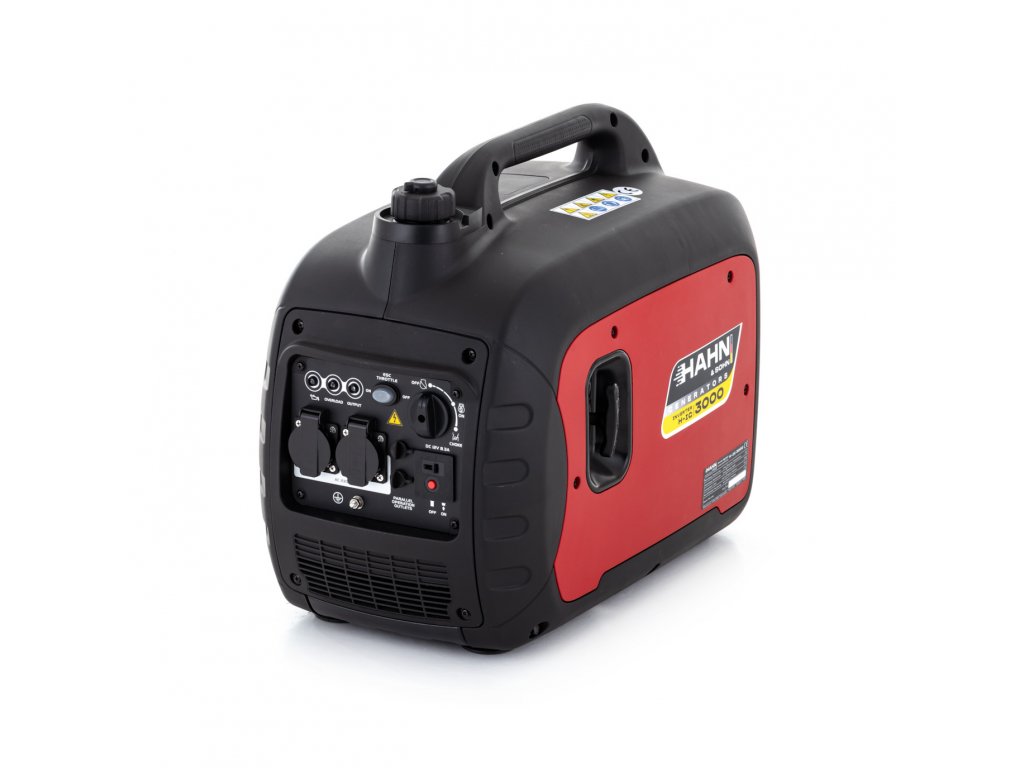
If the generator is placed inside or near the home, quiet operation is essential. Noise levels usually range from 66 to 110 dB — heavy-duty construction models can be even louder. For home use, you’ll want units at the quieter end of the range, typically gasoline generators with good sound insulation. The quietest models are inverter generators, which cost a bit more but are perfect for residential environments.
UPS System or Generator with Automatic Start?
Cheaper generators need to be started manually after a power outage. However, since you might not always be home, many homeowners choose between a UPS system and an automatic-start generator.
A UPS (Uninterruptible Power Supply) is installed between the outlet and the device. It detects power loss and provides immediate power until the generator starts. It’s an excellent supplement for generators without automatic start.
Automatic-start generators have this function built in. When an outage occurs, they start automatically, ensuring an uninterrupted power supply without user intervention.
Placement and Connection of a Home Generator
It’s best to plan for a backup generator during home construction or renovation to allow enough space. The room should be well ventilated (ventilation and exhaust systems should be installed by a professional) and measure at least 3×3 meters. The generator itself is smaller, so it can easily be placed in a utility room.
Alternatively, the generator can stand outside the house, for example under a pergola, provided it’s protected from weather conditions with at least a small shelter.
Installation is usually carried out by a certified technician without the need for the energy provider’s presence. However, if the generator with automatic start must be connected behind the main circuit breaker, the seal must be removed. In this case, contact your electricity supplier to send an authorized technician — removing the seal yourself could result in a hefty fine.