
A generator as a backup power source for your circulation pump
A circulation pump is a small, inconspicuous device, yet it plays a very important role. It ensures smooth and trouble-free heating of your home. However, it requires an uninterrupted supply of electricity. Have you ever thought about what you would do in the event of a long-term power outage? How would you power your circulation pump? The answer is simple – the pump would urgently need a backup power source.
What is a circulation pump and what does it do?
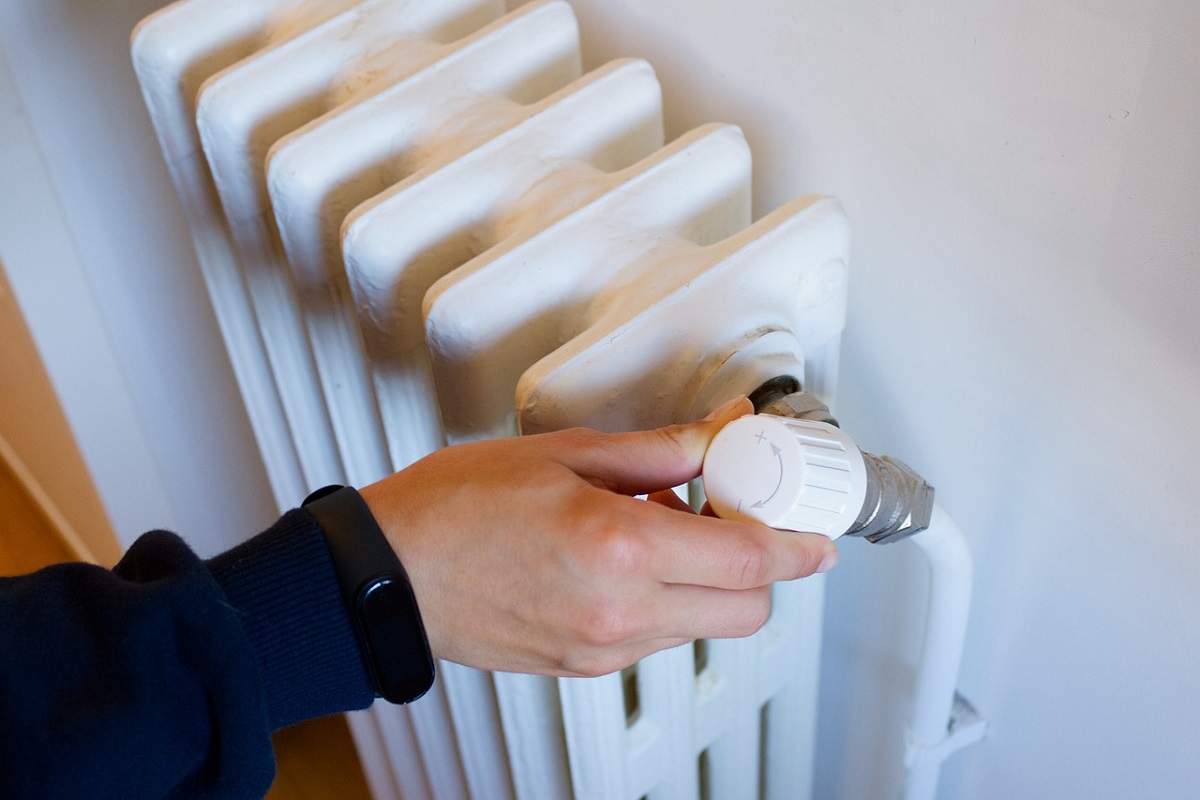
A circulation pump is a small electronic device that is an essential part of the heating system. It ensures the circulation of water from the boiler to the radiators. In addition, it can also be used to circulate water in underfloor heating systems. Outside of heating systems, these devices are also used in air-conditioning systems or water supply systems.
For now, we will focus on the circulation pump in the heating system. Because it enables water circulation, it also ensures the safety of the entire system. How? The answer is simple – the hot water from the boiler simply has to circulate. But what would happen in the event of a power outage? A disaster. To avoid it, you would need to switch on a backup power source for the pump.
Why do you need a backup power source for a circulation pump?
Backup power sources for circulation pumps are simply essential. In the event of a power outage, they ensure the operation of the circulation pump and with it the circulation of hot water from the boiler. If the pump were to stop during an outage, the boiler would overheat and could cause serious damage to your property. A backup source for the circulation pump therefore plays a key role in the safety of the entire heating system.
Which backup power source should you choose for a circulation pump?
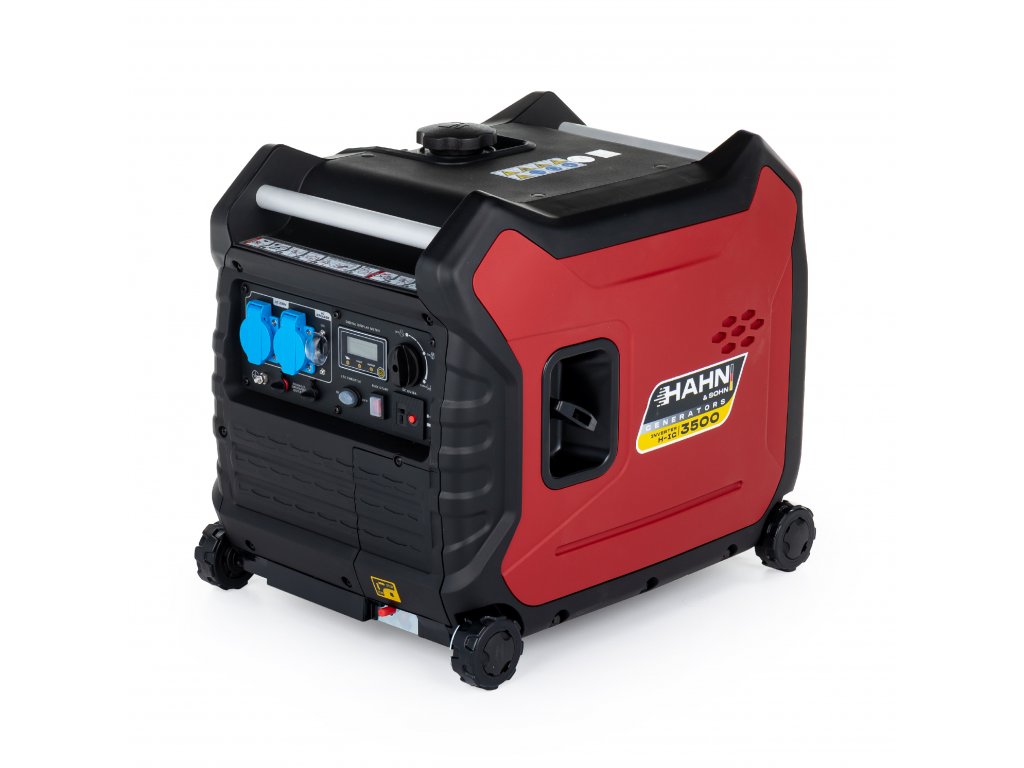
An excellent backup power source for a pump can be a generator. The range of generators consists of several types of these devices.
At this moment, we are not as interested in the fuel type of the generator (it can be diesel, gasoline, or gas) as we are in the type of voltage regulation it uses. Why is this important? Simply because the type of voltage regulation will significantly affect what you can connect to the generator.
So what types of voltage regulation do generators use, and what can you connect to each type?
The first type is generators with capacitive regulation. This regulation cannot react quickly, and therefore the generator’s output voltage can fluctuate significantly. This means one thing – while it is sufficient for powering simple devices (power tools, light bulbs) including pumps, you cannot use it for anything more sensitive. Due to the large fluctuations in voltage, it is unsuitable for powering delicate electronics.
The most common type of voltage regulation you will encounter in generators is AVR regulation. This type can reliably power normal household appliances, but a problem could arise if you decide to use such a generator as a backup source for the pump while also powering sensitive devices (which is likely during any power outage). A circulation pump repeatedly turns on and off during its operation. Every time it switches on (starting the circulation of water in the heating system, or even just using water from the tap), the pump needs to restart, and its starting current may be much higher than the operating current. AVR regulation may not react quickly enough to this change, causing fluctuations in the output voltage. If sensitive electronics are simultaneously connected to the generator, this could damage them. However, if a generator with AVR regulation is used solely as a backup power source for the circulation pump, it is completely safe and sufficient.
The third and final type is the inverter generator. It provides the most stable output voltage, often more stable than that of a standard electrical grid. Its output voltage is regulated by an inverter to create a pure sine wave of 230 V/50 Hz. Choose this type of generator if you want to use it as a backup power source for both circulation pumps and household appliances at the same time during a power outage. All devices, including the most sensitive electronics, will be completely safe when connected to an inverter generator because its output voltage does not fluctuate.
In conclusion
A backup power source for a circulation pump is simply essential. Even during a short power outage, if the pump stops working, a disaster can occur quickly.
You will therefore need a generator in case of emergency. However, if you want it to power not only the pump but also other devices during an outage, you should not hesitate – you should invest in a reliable inverter generator. It will become your dependable backup for all situations, ensuring nothing catches you unprepared.